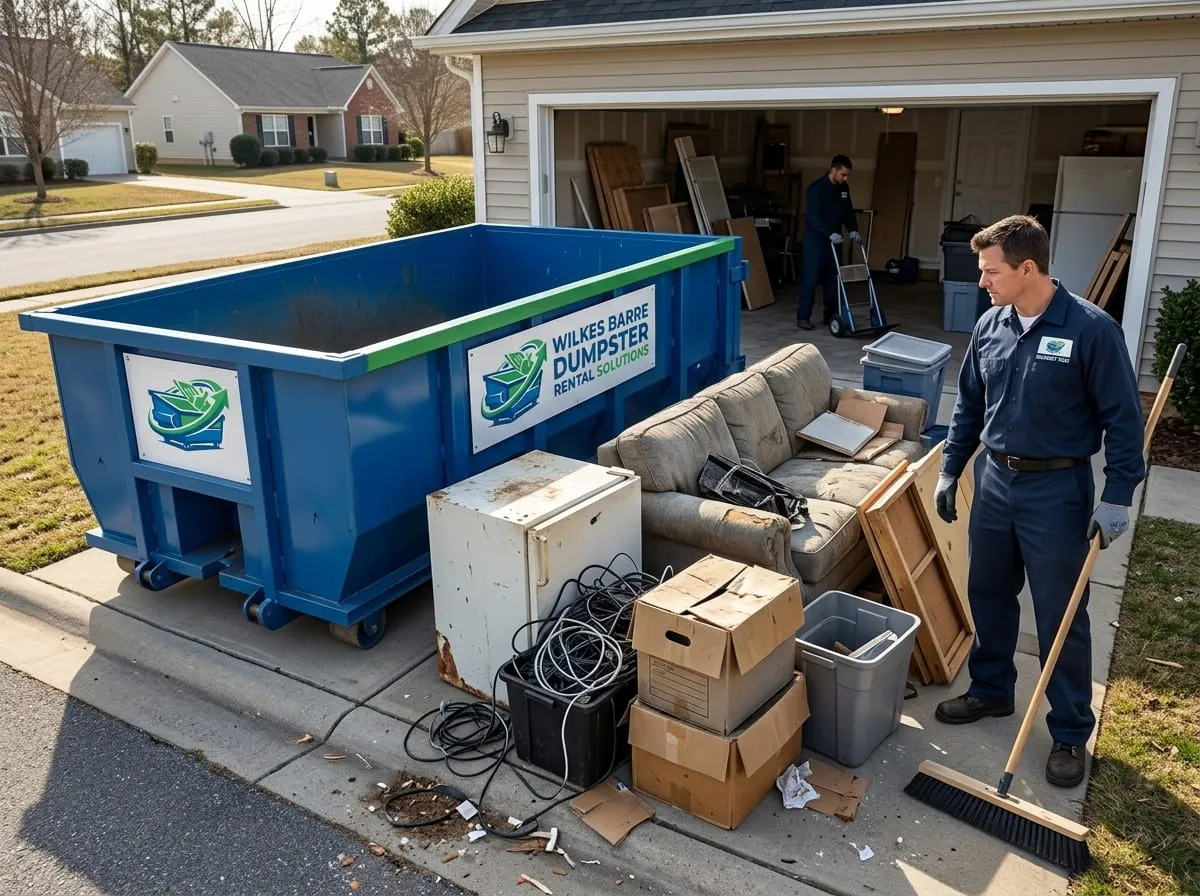
Clearing out a loved one's home is one of the hardest jobs a family ever faces. It is part logistics and part grief, and the two rarely take turns. Here in Wilkes-Barre and across the Wyoming Valley, we have helped many families work through this at their own pace. This guide walks you through an estate cleanout checklist that is practical enough to keep you moving and gentle enough to honor what the home meant.
Take your time where it matters, and lean on help where it does not. When you are ready to talk through the details, we are a phone call away at (570) 569-0695.
Start With a Plan and a Realistic Timeline
Before a single box is packed, give yourself a rough plan. Estate cleanouts almost always take longer than families expect, especially when a home holds decades of memories. A calm timeline prevents rushed decisions you might regret later.
Set the ground rules first
- Confirm you have the legal authority to distribute or dispose of belongings. If the estate is in probate, check with the executor or attorney before anything leaves the house.
- Locate important documents early: the will, deeds, titles, insurance policies, tax records, and financial statements. These can hide in drawers, old purses, coat pockets, and cookbooks.
- Agree as a family on how decisions get made. Naming one point person reduces friction when opinions differ.
- Block out realistic time. A small apartment might take a weekend; a full family home can take several weeks of steady work.
There is no prize for finishing fast. The goal is to honor a life while making steady, manageable progress. Give yourself permission to step away when a room becomes too much.
Sort Everything Into Four Piles: Keep, Donate, Sell, Toss
The heart of any cleanout is sorting, and a simple four-category system keeps decisions from piling up. Label areas or use colored stickers so the whole family works from the same system.
Keep
Items family members want, meaningful keepsakes, and anything of documented value. Photograph sentimental pieces before they are divided so everyone has a record.
Donate
Usable furniture, clothing, kitchenware, and household goods that no longer have a home. Donating turns an overwhelming volume into something that helps a neighbor.
Sell
Furniture, collectibles, tools, and antiques with resale value. Consider an estate sale professional or online marketplace for higher-value pieces. When you are unsure whether something has value, a quick appraisal is worth it before it goes.
Toss
Broken items, worn-out furniture, expired goods, and the sheer volume of everyday clutter that builds up over a lifetime. This is where a dumpster earns its keep, and where a bit of junk removal help can save your back.
Work Room by Room in the Right Order
Trying to clear a whole house at once is how families burn out. Instead, close out one room before moving to the next. A smart order builds momentum and saves the hardest spaces for when your system is dialed in.
- Start with low-emotion, high-volume rooms. Garages, basements, attics, and storage closets are packed with clutter but light on sentiment. Clearing them first creates staging space and an early sense of progress.
- Move to the kitchen. Dishes, small appliances, and pantry goods sort quickly into donate and toss.
- Tackle living and dining rooms. Furniture decisions dominate here, so measure pieces family members want before moving day.
- Save bedrooms and personal spaces for later. Clothing, photos, letters, and jewelry carry the most emotional weight. By now your sorting rhythm will help you through them.
- Finish with bathrooms and remaining odds and ends. These are usually quick once everything else is done.
What a Dumpster Handles, and What It Does Not
A roll-off dumpster is the workhorse of a full-property cleanout. It gives you one place to throw the toss pile as you go, instead of stacking bags in the driveway for weeks. Most general household debris belongs in the dumpster:
- Old furniture, mattresses, and rugs
- Worn carpet, broken shelving, and general clutter
- Bagged household trash and non-hazardous debris
- Yard waste from an overgrown property
A few items should stay out of the container and be handled separately: paint, chemicals, motor oil, propane tanks, batteries, and electronics often have local disposal rules in Luzerne County. When in doubt, ask us and we will point you the right way. For a hands-off option where a crew loads everything for you, our estate cleanout service covers the heavy lifting from start to finish.
Sizing a Dumpster for a Whole House
Choosing the right size up front saves you the hassle of a second haul or the cost of a container that is too big. For estate cleanouts, err slightly larger than you think, since these projects almost always uncover more than expected.
- A partial cleanout or a smaller home often fits a 20-yard dumpster, which holds roughly the debris from one to two rooms of furniture plus general clutter.
- A full-house estate cleanout is usually best served by a 30-yard dumpster, which handles the volume of an entire property, including bulky furniture and years of accumulated belongings.
Sizing tip: If you are clearing a full single-family home in Wilkes-Barre, most families are more comfortable with a 30-yard container. The extra room means you sort at your own pace without worrying about running out of space mid-project.
Not sure which fits your home? Call (570) 569-0695 and describe the property. We have sized hundreds of local cleanouts and will recommend honestly, even if that means a smaller container.
Handling Sensitive and Personal Items
Some belongings deserve extra care before anything is sorted. Set these aside in a dedicated box so they are never thrown out by accident:
- Documents with personal information. Shred old bank statements, medical records, and anything with a Social Security number.
- Photos, letters, and mementos. Even if no one wants the physical item, consider scanning it first.
- Medications. Return unused prescriptions to a pharmacy or approved take-back program rather than the trash.
- Jewelry, cash, and small valuables. These turn up in surprising places, so check pockets, envelopes, and containers before donating or tossing.
- Military items, flags, and awards. Local veterans organizations often welcome these.
Donation Options in the Wyoming Valley
Donating eases the emotional weight of letting go, because the belongings go on to help someone else. Local thrift stores, charitable organizations, and religious groups around Wilkes-Barre often accept furniture, clothing, and household goods, and some offer pickup for larger items. Call ahead to confirm what they take and whether they can collect from the home.
Your Estate Cleanout Checklist
Print this and check off each step as you go:
- Confirm legal authority and locate the will and key documents
- Set a realistic timeline and name a family point person
- Gather supplies: boxes, bags, labels, gloves, and markers
- Reserve a right-sized dumpster before you start
- Sort each room into keep, donate, sell, and toss
- Set aside sensitive items and valuables separately
- Work room by room, starting with low-emotion spaces
- Schedule donation pickups and any estate sale
- Shred personal documents and dispose of hazardous items properly
- Do a final walkthrough of every closet, drawer, and cabinet
When to Call for Help
You do not have to do this alone. Reach out for help when the volume feels overwhelming, when time is short, when the home is out of town, or simply when the emotional weight is too much to carry with a dustpan in hand. There is no shame in handing off the heavy work so you can focus on the memories.
Whether you need a single dumpster dropped in the driveway or a full-service crew to clear the property, our team is here for Wilkes-Barre families. Contact us or call (570) 569-0695 and we will help you take the next step with care.
Founder, Wilkes Barre Dumpster Rental Solutions — sharing straight advice from more than 15 years of local hauling experience.